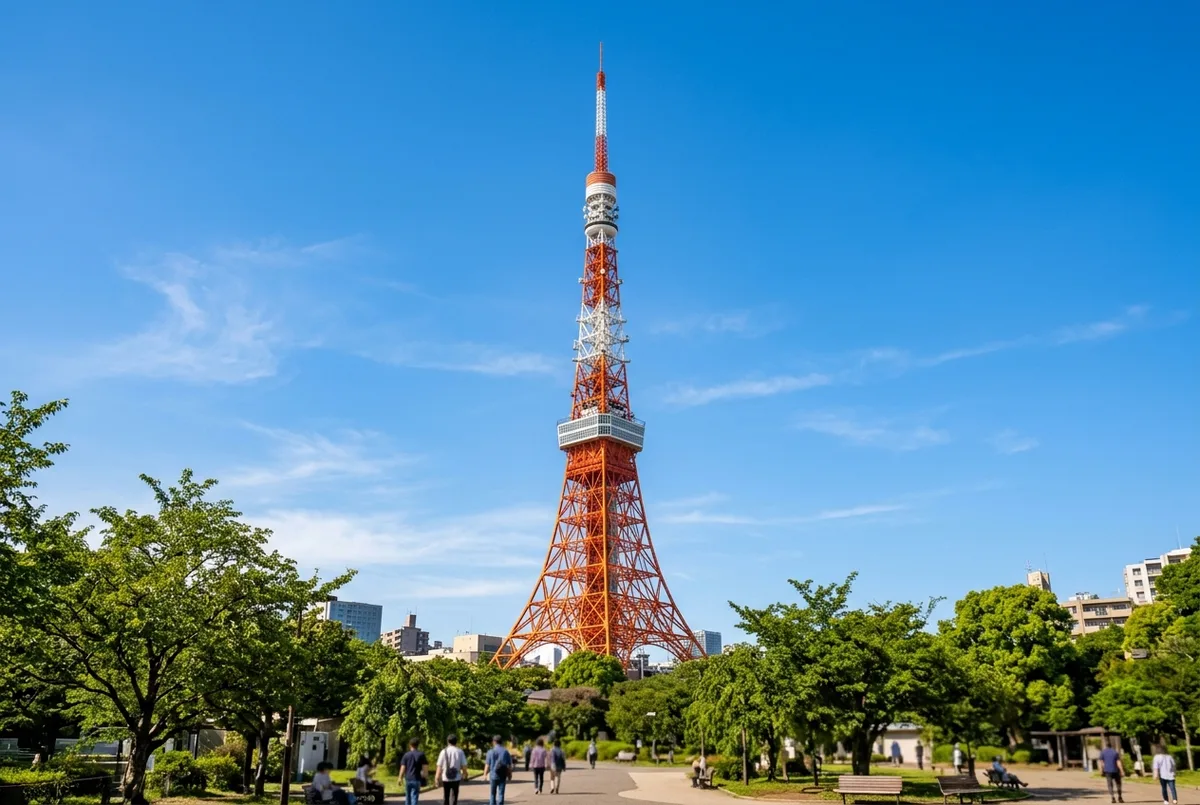
The History of Tokyo Tower: Why It Was Built
Tokyo tower history: why NHK's 1953 broadcasting launch created the need for it, its Eiffel-inspired design and the 220,000 workers who built it.
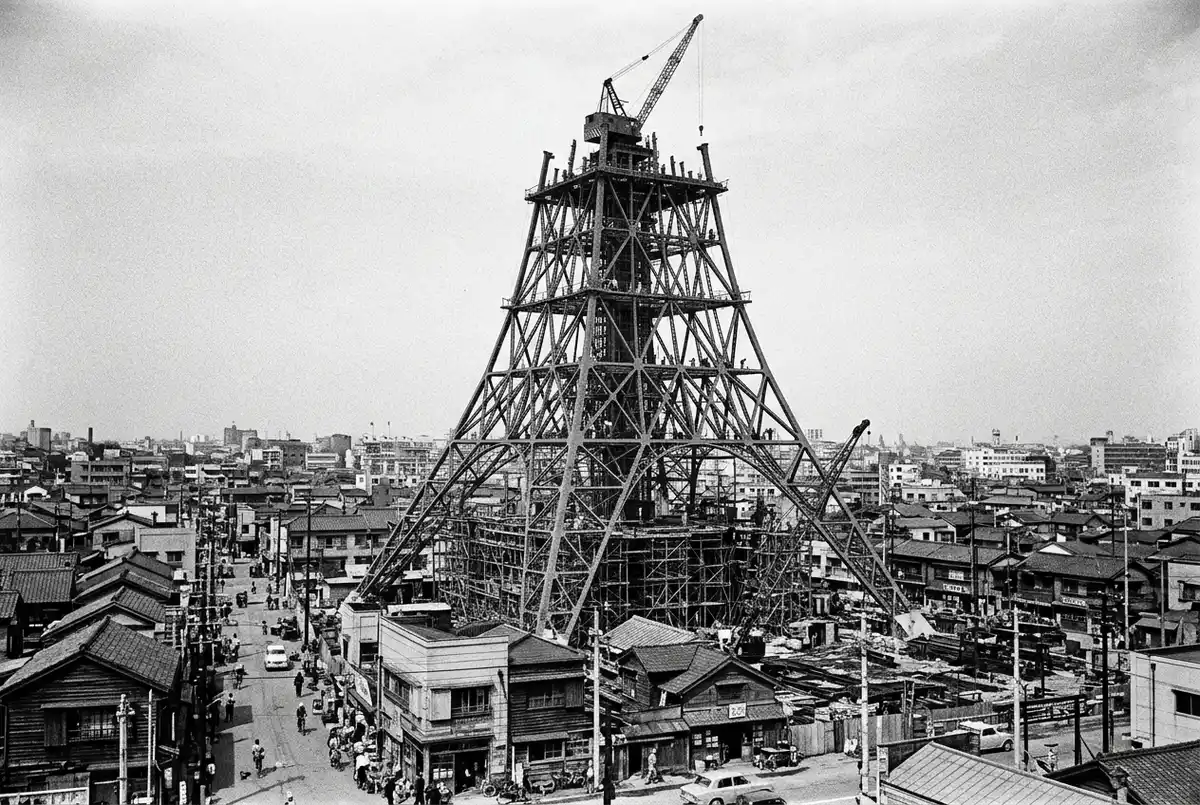
Tokyo Tower was built to solve a broadcasting problem. NHK's 1953 launch of national television left the Kanto region without a tall enough relay structure, so the tower went up in 1958, modeled on the Eiffel Tower.
 Tokyo Tower Admission Ticket: Main Deck and Top Deck From $9.39 · Lowest priced way up See dates
On this page 7 sections
Tokyo Tower’s history really starts with a broadcasting shortage, not some grand tourism scheme. NHK launched Japan’s national television service in 1953. Kanto needed a tall structure to relay that signal across the region, and five years later, the tower showed up to do exactly that.
Tokyo Tower's history in numbers
Source:Travel Japan, JNTO and GO TOKYOWhy was Tokyo Tower built?
NHK’s 1953 launch of national broadcasting left the Tokyo area without anything tall enough to relay television signals across the region. So Tokyo Tower went up as a broadcasting support tower, plain and simple. Japan’s own tourism board puts it the same way: the Tokyo area needed a large broadcasting tower once NHK’s service began.
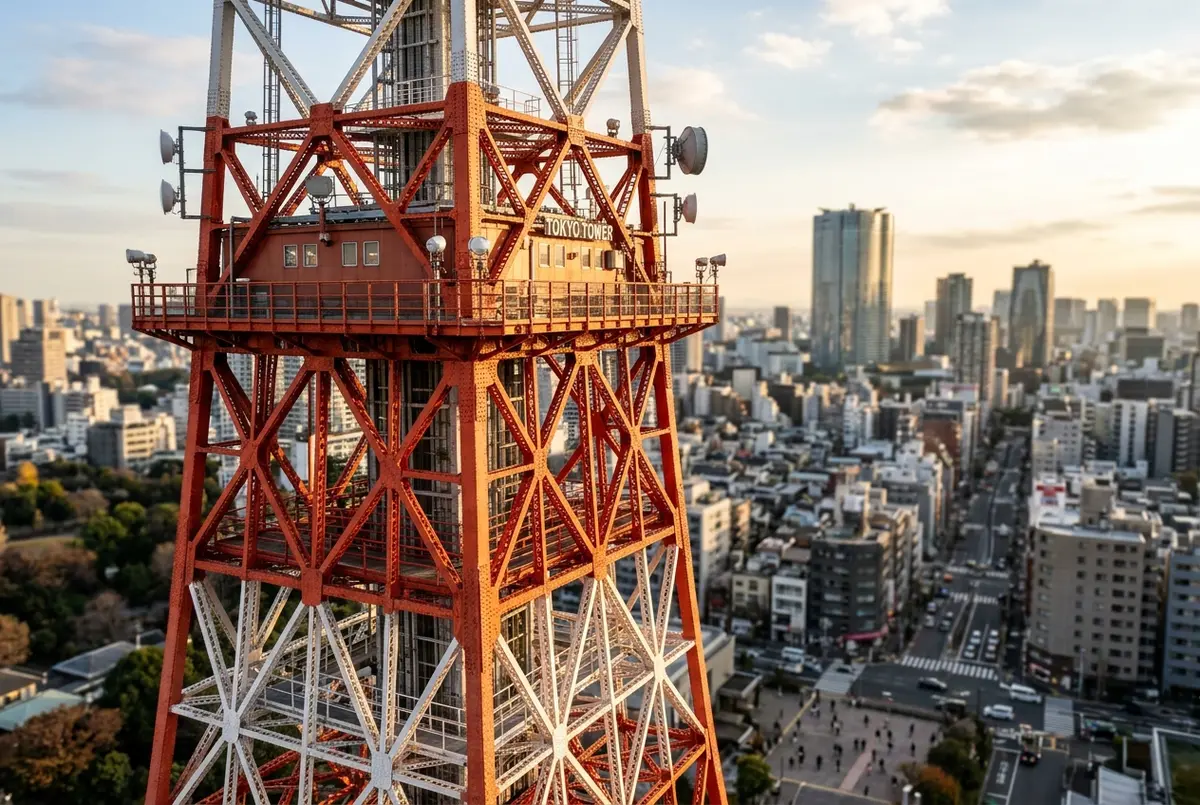
It still does that job, actually. The tower is both an active broadcasting facility and an observation point for visitors — that antenna on top isn’t there for looks.
What is the story behind Tokyo Tower’s design?
Here’s the thing people miss: Tokyo Tower’s design is lifted straight from the Eiffel Tower. Go Tokyo’s own guide notes the finished structure stands 13 meters taller than the Paris original it was modeled on. Lattice steel shape, four splayed legs, that whole silhouette. All Paris.
And it wasn’t some accidental resemblance either. Japan wanted a landmark that matched the ambition of a country rebuilding itself, and borrowing the Eiffel Tower’s form handed the new broadcasting tower an instantly recognizable shape almost for free.
Is Tokyo Tower supposed to look like the Eiffel Tower?
Yes, deliberately. Japan’s own tourism board says the design was based on the Eiffel Tower — a homage, not a coincidence of shape. Want the exact height and price comparison between the two towers? That lives on this site’s Tokyo Tower vs Eiffel Tower page; no point duplicating the whole stats table here.
When was Tokyo Tower built, and how long did construction take?
Tokyo Tower was completed in 1958. Go Tokyo’s own guide puts the construction workforce at roughly 220,000 craftsmen who finished the job in about a year and a half, and most of that work was done by hand, not with the heavy machinery you’d expect today.
Try picturing that for a second: a workforce the size of a small town raising a 333 meter steel tower in under two years, mostly by hand. That’s the detail most guides skip right past when they just repeat the opening date and move on.
| Year | Milestone |
|---|---|
| 1953 | NHK begins national broadcasting |
| 1958 | Tokyo Tower completed |
| 2012 | Tokyo Skytree surpasses it as Japan’s tallest structure |
Was Tokyo Tower the tallest tower in the world when it opened?
Yes. At 333 meters it was the tallest freestanding tower in the world in 1958 — a title it held as Japan’s tallest structure until Tokyo Skytree finally passed it in 2012, over 50 years later.
Longer reign than most people assume, honestly. For the full breakdown of every measurement, see this site’s Tokyo Tower height and facts page.
“it was the tallest freestanding tower in the world when it was built”
Travel Japan, JNTO, 2026 · source
What does Tokyo Tower symbolize today?
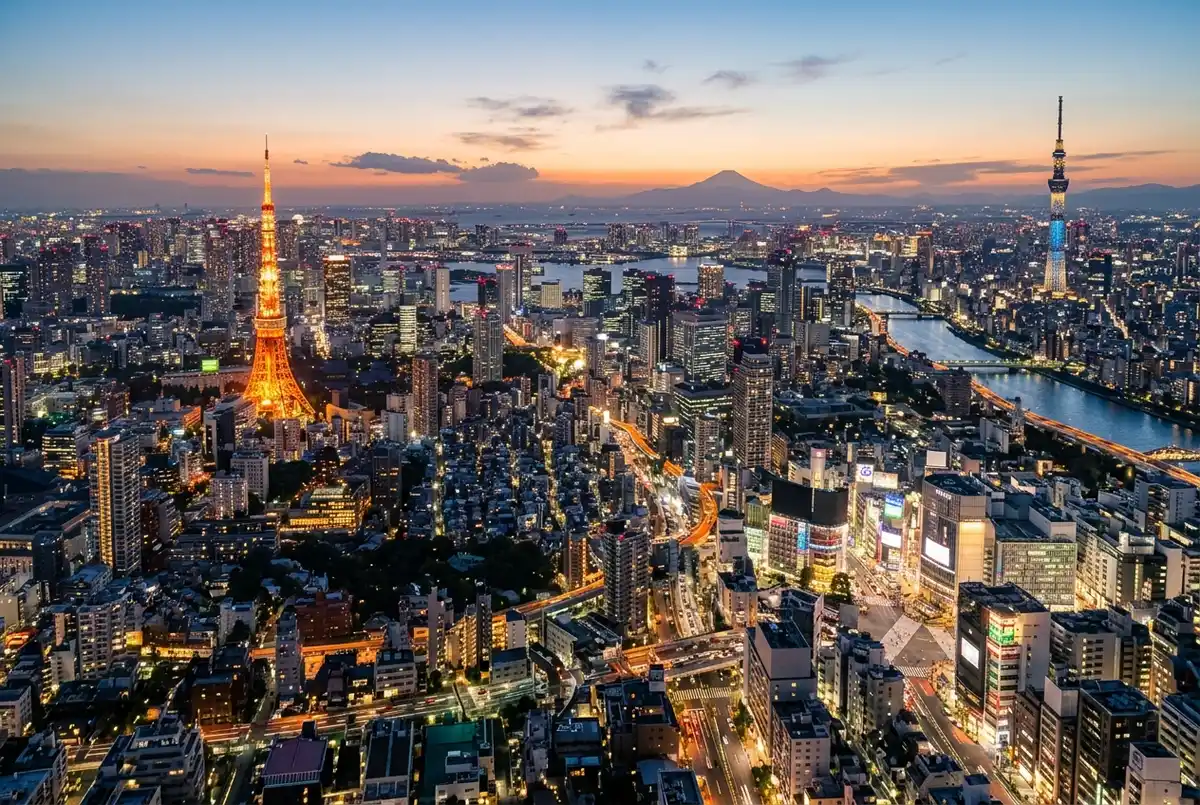
Japan’s own tourism sources call it a lasting symbol of the country’s postwar economic rebirth, and it’s still working as an active broadcasting facility right alongside its role as a tourist observation point. GO TOKYO’s own guide doesn’t dress it up much: built in 1958 as a symbol of Japan’s postwar economic boom, Tokyo Tower is now the second tallest structure in all of Japan, second only to Skytree. Same guide frames the view as the actual draw: you can see Tokyo from above at the 333 meter tall tower.
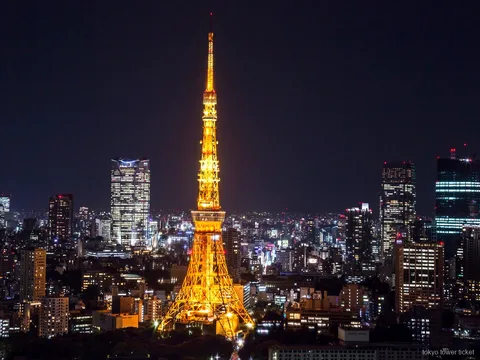
Stand at the base and treat it like just another photo stop if you want, but under your feet is a structure raised by a workforce the size of a small town, mostly by hand, built as Japan’s postwar answer to the Eiffel Tower. For the color scheme that makes it so recognizable at night, see why Tokyo Tower is painted red and white.
Questions
How long did it take to build Tokyo Tower?
About a year and a half. Go Tokyo credits roughly 220,000 craftsmen with finishing it in that window, most of it by hand.
Why did Japan need a tall tower for broadcasting in the 1950s?
NHK launched national television broadcasting in 1953, and Kanto needed something tall enough to relay the signal across the region. Tokyo Tower filled that gap.
Is Tokyo Tower still used for broadcasting today?
Yes, it still is. Japan’s tourism board describes it as both an active broadcasting facility and a tourist observation point, so that antenna up top is doing real work.
How many workers built Tokyo Tower?
Around 220,000 craftsmen, per Go Tokyo’s own area guide, finishing most of it by hand in roughly a year and a half.